Premium Earthwork Contractor Support for Your Following Infrastructure Project
Identifying the correct excavation contractor is paramount for all building endeavor. These experienced experts perform critical functions in foundation preparation, assuring a stable base and suitable water drainage. Their proficiency in various ground types and safety protocols can dramatically influence successful outcomes. Still, understanding how to find the most appropriate professional requires much more just training. The intricacies of their work and contemporary approaches warrant comprehensive analysis to attain the best possible outcomes.
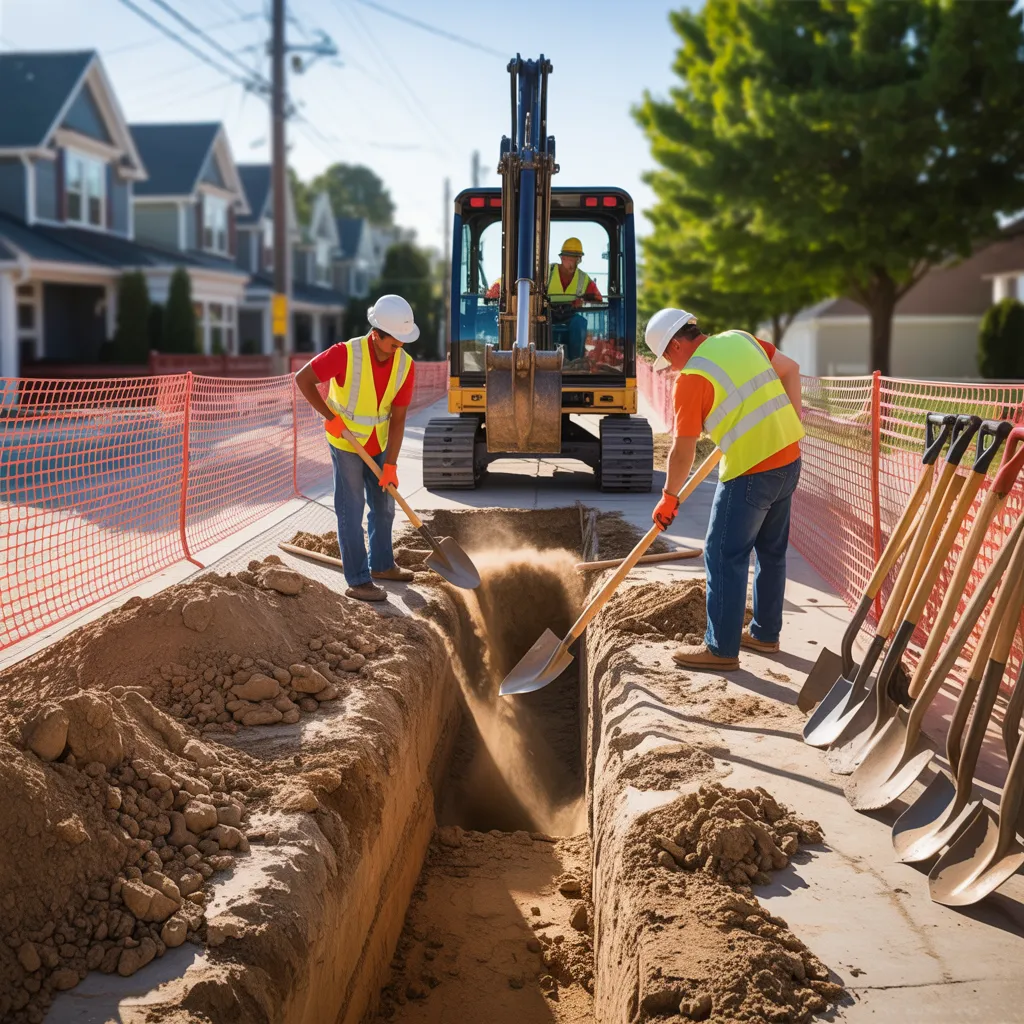
Understanding the Role of an Excavation Contractor
An excavation contractor functions as a key element in the construction process, functioning as the foundation for any building project. They are in charge of preparing the site, which involves clearing the terrain of hindrances, leveling the terrain, and creating channels for utilities and foundations. This contractor must demonstrate thorough understanding of soil characteristics, water management, and regional requirements to maintain compliance and safety. Their expertise includes evaluating risks and establishing preventive measures to mitigate excavation hazards during excavation. Additionally, they partner with other construction professionals, guaranteeing that excavation aligns seamlessly with the overall project timeline. The excavation contractor also operates heavy equipment and labor forces, maximizing productivity while maintaining budget limits. By laying the groundwork for following building stages, they serve a critical function in affecting the project's outcome, making their contributions invaluable to the entire construction process.
Key Services Provided by Excavation Contractors
Excavation contractors offer a full spectrum of essential offerings that are crucial for the successful execution of construction projects. These services typically include site groundwork, where contractors clear the land of debris, vegetation, and existing structures to create a suitable foundation. Grading is another significant service, confirming the land is leveled to allow proper drainage and support for the structure.
Additionally, digging professionals are in charge of creating underground channels for utilities, such as water, gas, and electricity, which are vital for constructing foundational systems. They also perform foundation excavation, extracting earth and stone to create a stable base for new structures. Contractors may offer specialized services like demolition, where they securely take apart existing buildings, and ground reinforcement to enhance ground conditions. These key services collectively guarantee the groundwork is properly handled, laying the foundation for a successful construction project.
Why Safety Matters in Excavation Work
Construction operations by nature present different risks, specifically in excavation work with heavy machinery and deep digging. Safety remains essential in this sector to secure workers, local residents, and the integrity of the project. Excavation areas are filled with hazards, including cave-ins, machinery accidents, and exposure to underground utilities. Hence, carrying out strict safety protocols is indispensable.
Excavation contractors must prioritize training and compliance with safety regulations, ensuring that all personnel are equipped with the necessary skills and knowledge to identify and mitigate risks. Regular safety audits and equipment inspections further enhance site safety. Additionally, utilizing proper signage and barriers can help prevent unauthorized access and accidents. Ultimately, a strong safety culture not only safeguards lives but also promotes project efficiency and reduces costs associated with accidents and delays. A commitment to safety reflects a contractor's professionalism and dedication to delivering successful outcomes in excavation work.
Current Technological Advances in Soil Removal Projects
As technology keeps advancing, the excavation sector is undergoing significant shifts that improve efficiency and precision in operations. Modern machinery with GPS and laser-guided systems allows for precise grading and depth control, decreasing the risk of human error. Drones are increasingly used for site surveys, delivering real-time data and aerial imagery that facilitate project planning and monitoring. Furthermore, 3D modeling software helps contractors visualize project layouts, optimizing excavation workflow and reducing waste.
Automation is creating significant changes, with robotic excavators and advanced telematics systems strengthening operational capacity and maintenance scheduling. These tools not only accelerate workflows but also elevate safety by supervising ground factors and equipment functionality. By implementing such advanced systems, excavation experts can complete projects more optimally, assuring quick completion while keeping excellent standards of safety standards. This technological evolution embodies a crucial shift in how excavation work is handled today.
Finding the Best Excavation Specialist
How can one guarantee the choice of a experienced excavation contractor? The process opens with extensive inquiry. Prospective clients should seek recommendations from industry professionals and review online endorsements. Inspecting a contractor's proficiency in like projects is necessary, as it reveals their skill to handle particular location hurdles.
Next, verifying licenses and insurance protection ensures compliance with local rules and protects against liabilities. A qualified contractor should also present a detailed body of previous work, illustrating their expertise and quality standards.
In addition, it is necessary to appraise the contractor's equipment and technology, because modern tools can greatly enhance output and wellbeing.
To summarize, honest conversation is required; a contractor should be inclined to exchange ideas about project timelines, potential issues, and strategies. By using these approaches, clients can confidently pick an excavation contractor who satisfies their project requirements and goals.
Expense Components in Excavation Solutions
Grasping the cost factors in excavation services is essential for accurate project budgeting. Important factors include the size of the project, which determines the volume of material to be moved, along with site accessibility, which may influence equipment needs and labor efficiency. Furthermore, equipment and labor costs fluctuate significantly depending on the specific demands of the excavation task at hand.
Project Dimensions Consequence
The size of a construction project plays a major role in the cost of read the full story excavation services, as larger sites often require more thorough planning and support. Excavation amount increases with project scale, leading to higher labor, equipment, and material costs. Moreover, bigger projects may necessitate more state-of-the-art technology and specialized machinery, thereby escalating expenses. The challenge of the terrain also has a significant role; larger areas may exhibit varied geological conditions that demand customized excavation methods. Additionally, extensive projects often involve longer timelines, resulting in increased overhead costs. All these considerations combined underscore the importance of accurately gauging project size to effectively budget for excavation services, ensuring that contractors can complete the needed work within budget.
Web Accessibility Guidelines
Site accessibility considerably impacts the cost of excavation services, as it dictates the simplicity with which equipment and supplies can reach the construction area. If a site is difficult to reach due to narrow roads, sharp grades, or city traffic, extra measures may be required. These may include custom equipment, extensive planning, or even road alterations, all of which can inflate overall expenses. Moreover, limited entry can extend work schedules, leading to higher labor and machinery rental expenses. Conversely, a site with straightforward entry can facilitate efficient operations, lowering costs. Ultimately, understanding site accessibility is critical for precise budgeting and preparation, as it serves as a pivotal role in determining the overall viability and cost of digging undertakings.
Equipment and Labor Expenses
While excavation projects require detailed planning and execution, tools and workforce costs emerge as vital factors that can significantly influence overall expenses. The type of machinery utilized, such as excavators, bulldozers, and backhoes, markedly affects pricing. Equipment rental or purchase costs, combined with maintenance and fuel expenses, can accumulate rapidly. Additionally, the expertise and number of laborers needed for the project play a major role in determining labor costs. Skilled operators command higher wages, reflecting their specialized training. Moreover, project duration can increase costs, as longer timelines often demand additional labor hours and equipment rental days. Therefore, a thorough understanding of these cost factors is necessary for accurately budgeting excavation services in construction projects.
Case Studies: Successful Excavation Projects
A multitude of excavation projects have demonstrated the vital function of experienced contractors in ensuring prosperous building results. One notable example featured a commercial office complex in an city location, where construction teams encountered difficult soil conditions. Through creative methods, such as soil stabilization and proper drainage systems, the project was completed on schedule, minimizing interference to nearby commercial establishments.
One more example is a housing project where the contractor's expertise in terrain grading promoted efficient stormwater control. This not only raised the real estate's worth but also ensured adherence with regional ordinances.
Moreover, a large-scale infrastructure project illustrated the value of cooperation between excavation crews and utility providers. By leveraging advanced technology for underground mapping, the project managers prevented expensive interruptions and protected the integrity of current systems.
These illustrations reveal that proficient excavation specialists are necessary for addressing difficulties, in turn providing substantial support to the overall success of construction endeavors.
Frequently Requested Questions
What Credentials Should I Evaluate in an Excavation Professional?
When determining an excavation contractor, one should review qualifications such as valid licensing, comprehensive insurance, experience in similar projects, safety accreditations, standard of equipment, and reputable references to assure consistency and skilled performance in their work.
How much time does an digging operation typically take?
An excavation project typically takes anywhere from a few days to several weeks, determined by factors like project size, site conditions, and complexity. Each project is one of a kind, impacting the overall timeline substantially.
Which Varieties of Machinery Are Used by Excavation Contractors?
Excavation contractors commonly operate bulldozers, backhoes, excavators, and dump trucks. These machines support various tasks, including digging, grading, and transporting materials, ensuring timely project delivery while adhering to safety standards and environmental regulations.
Winter Excavation: Can Digging Possible?
Excavation work is able to be performed in winter, but it poses challenges such as frozen ground and challenging weather circumstances. Contractors often make use of specialized equipment and strategies to manage these difficulties and copyright performance during winter timeframes.
What Licenses Are Required for Excavation Work?
Excavation undertakings generally need licenses such as land disturbance permits, excavation permits, and potentially environmental permits. Local rules vary; therefore, it's crucial for construction professionals to contact local authorities to guarantee adherence with all necessary regulations.